Why GitZoid charges a flat price, not per seat
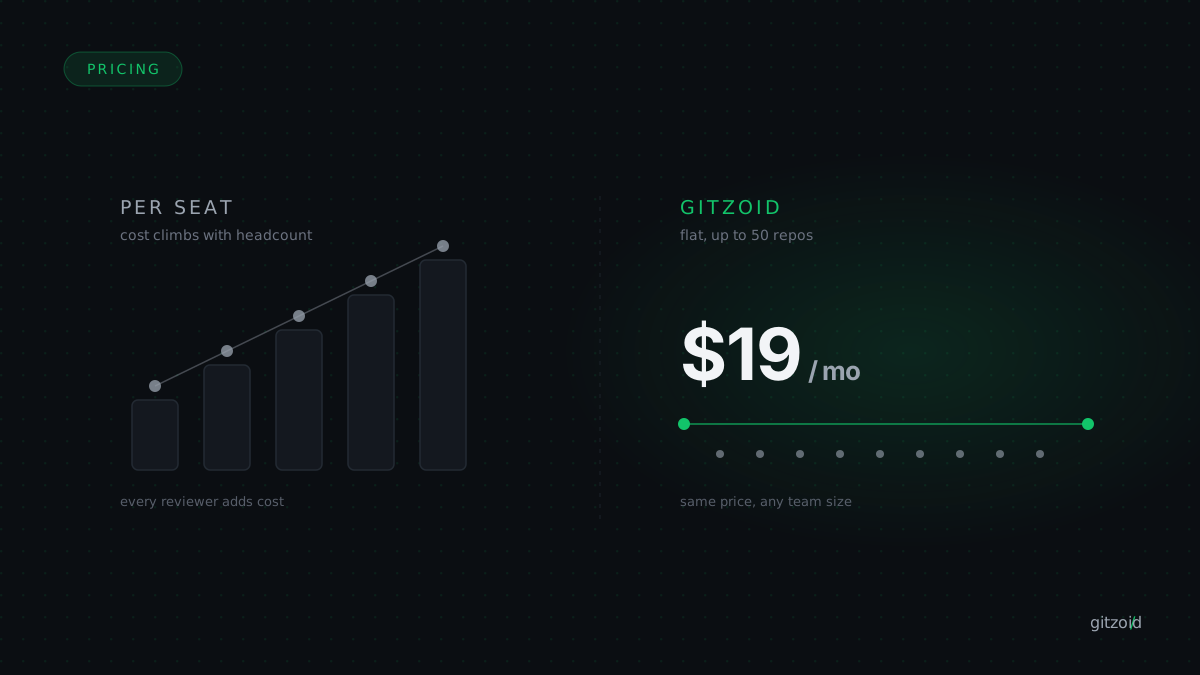
Code review has a strange property. The more people who read a pull request, the safer the merge. Yet the dominant pricing model in this category charges per seat, which means every extra reviewer costs more. The incentive runs backwards.
The seat tax
A per-seat plan asks you to decide who is allowed to benefit from review. Junior engineers who would learn the most from reading feedback are the first to get cut from the license. Contractors rotate on and off, and someone has to reconcile the count every month. The pricing page ends up with a footnote about who counts as an active user.
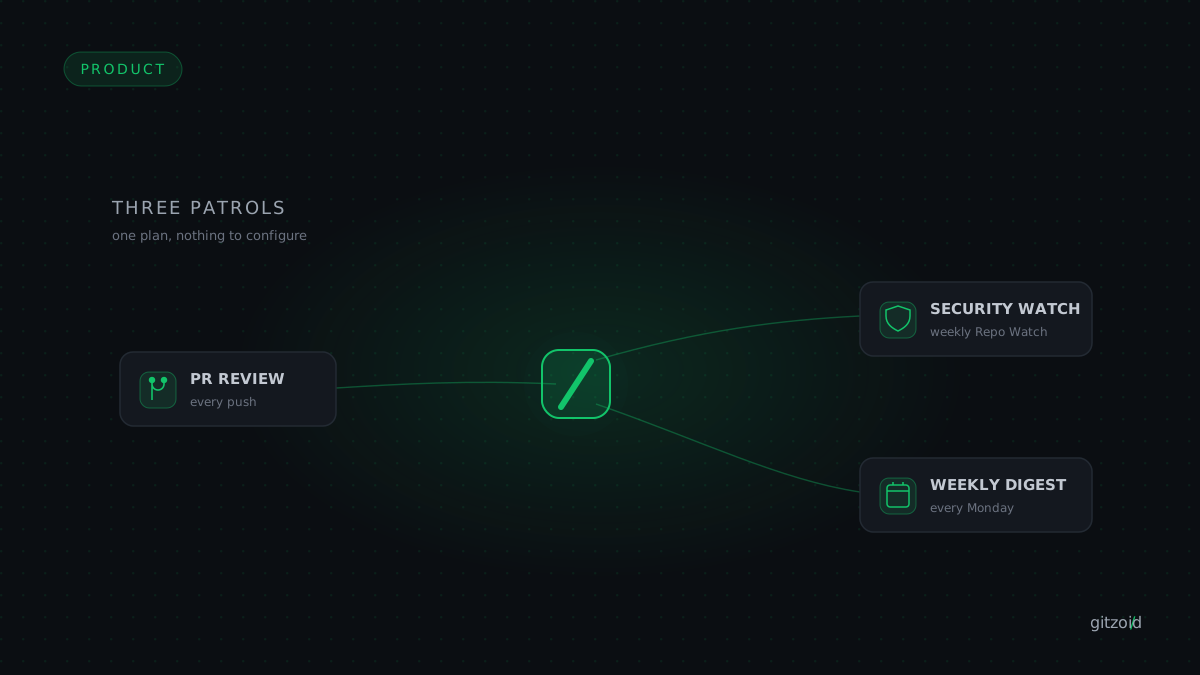
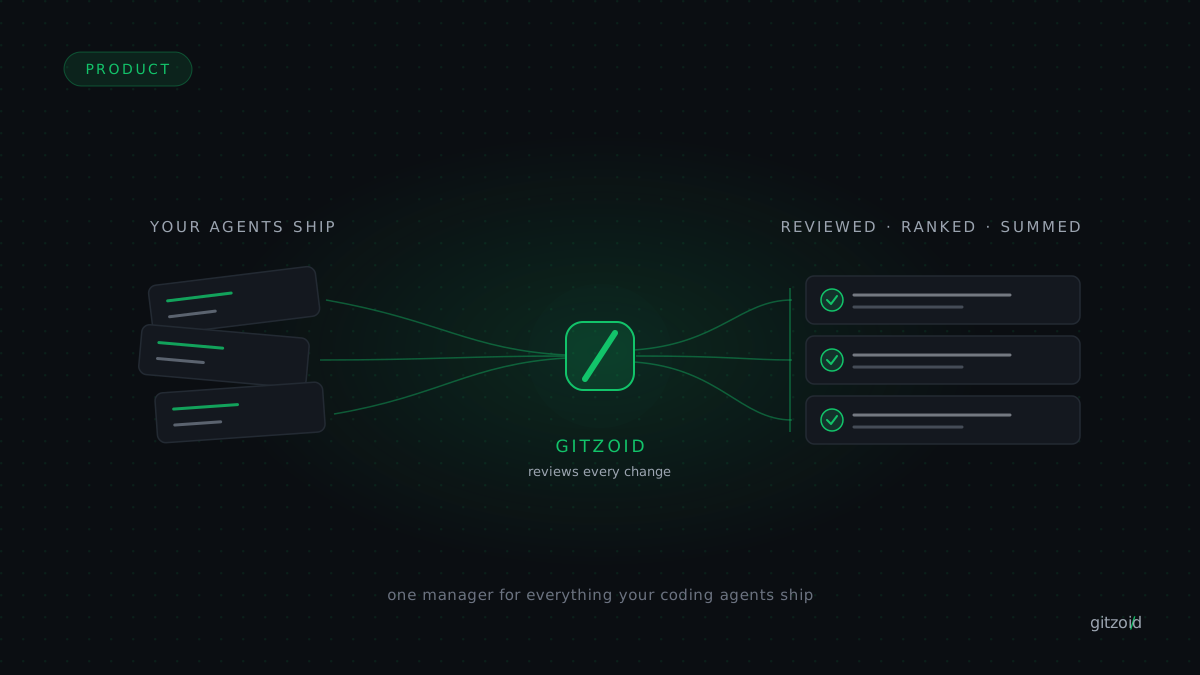
GitZoid drops the seat entirely. One flat price, $19 a month for up to 50 repos, covers PR Review, Security Watch, and Weekly Digest, no matter how many people open pull requests.
The gap widens with every reviewer you add.
| Team reading review | Typical per-seat plan | GitZoid flat |
|---|---|---|
| 3 people | about $72 a month | $19 a month |
| 10 people | about $240 a month | $19 a month |
| 25 people | about $600 a month | $19 a month |
The per-seat column assumes a $24 per user rate. GitZoid stays flat because it scopes to repos, not headcount.
What changes when seats disappear
- Everyone on the team reads the same review. The bar is the same for every contributor.
- You stop doing license math. There is nothing to reconcile at renewal.
- The price is legible. A repo costs what the page says it costs.
Where the line is
A repo is a natural boundary. It maps to a product, a service, or a library, with its own history, its own dependency graph, and its own risk surface. That is the unit GitZoid scopes to, up to 50 of them on the flat plan. The cost tracks the work being reviewed, not the size of your org chart.
We kept it to a single plan on purpose. One flat bundle, no tiers to compare, no metering to predict. You connect a repo, GitZoid does the rest, and the invoice does not surprise you.